
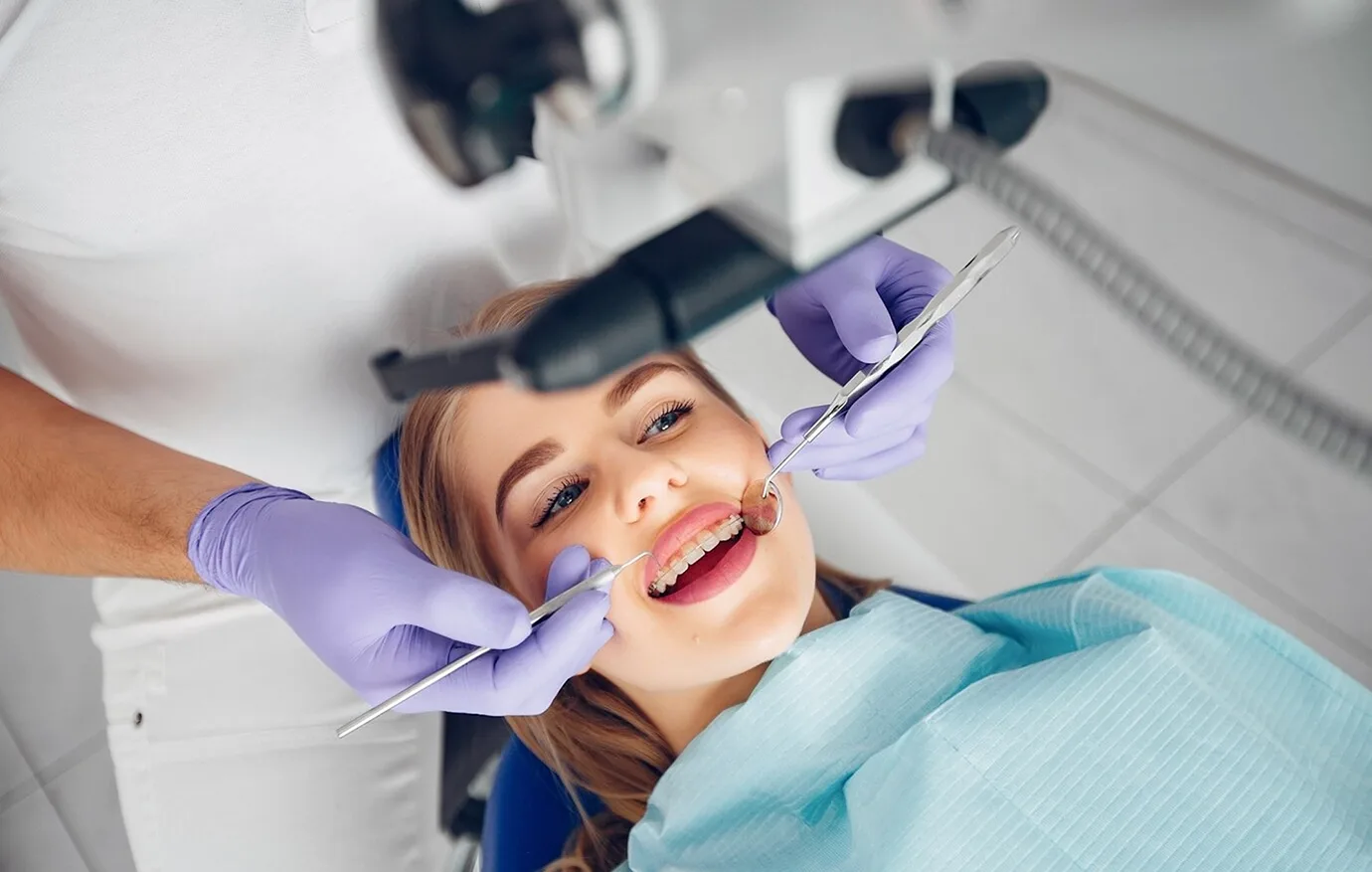
Fixed braces and clear aligners both move teeth into position over months. Braces handle a wider range of corrections and work whether or not you remember them. Aligners are far less visible and come out for meals, but they only work if they are genuinely worn for twenty to twenty-two hours a day. Which is right depends on what needs correcting and on you.
What each one can correct
Fixed braces can handle almost anything, including rotating a tooth, moving a root rather than just tipping a crown, and closing large gaps. Complex bite problems are usually a braces case.
Clear aligners are very good at mild to moderate crowding, spacing, and relapse after previous orthodontic treatment. They have improved a great deal, but there are still corrections they cannot achieve on their own.
The honest trade-off
Braces are visible. They are also fitted, so they carry on working whether or not you think about them.
Aligners are nearly invisible and come out to eat and to brush, which makes cleaning far easier. But treatment depends entirely on wearing them. Twenty to twenty-two hours a day is not a suggestion — it is the condition on which the plan is built. Worn casually, aligners do not simply work more slowly; they stop tracking, and the sequence has to be remade.
How long treatment takes
Anywhere from a few months for a small correction to two years or more for a complex case. What actually determines it is how far the teeth have to travel and through what kind of bone, not which appliance is used.
Teeth move at a biological pace. Nothing safely accelerates that beyond a point, and forcing it risks the roots and the bone that holds them.
What the appointments are like
With braces, an adjustment every four to eight weeks. The days after an adjustment are usually the sore ones — teeth feel tender to bite on. It settles.
With aligners, you change trays on a schedule at home and come in less often for the orthodontist to check the teeth are tracking to plan.
Cleaning matters more during treatment
Braces give plaque places to sit that a brush does not easily reach. Decalcification — permanent white marks around where the brackets were — is the most common avoidable outcome of orthodontic treatment, and it is entirely a cleaning problem.
Interdental brushes and a fluoride toothpaste are worth the effort for the whole of treatment, not just the first enthusiastic month.
Retainers are not optional
Teeth drift back. That is not a failure of treatment; it is what teeth do, and it continues for life. A retainer is what holds the result. Whichever appliance moved your teeth, plan on wearing a retainer indefinitely, at least at night.
This is the part patients are most often not told clearly enough before they start, so we would rather say it first.
Read more about Orthodontics on our website, or call +91 9585 360 320 to speak to us.
This article is general information, not a diagnosis. Every mouth differs — please see a dentist about your own symptoms. How we review our content