
Restorative Dentistry in West Tambaram
Medically reviewed by Dr. P. Nithya, Chief Dental Surgeon · Last reviewed · How we review our content
In pain right now?
Do not wait for an online booking to be confirmed — call us and we will try to see you today.
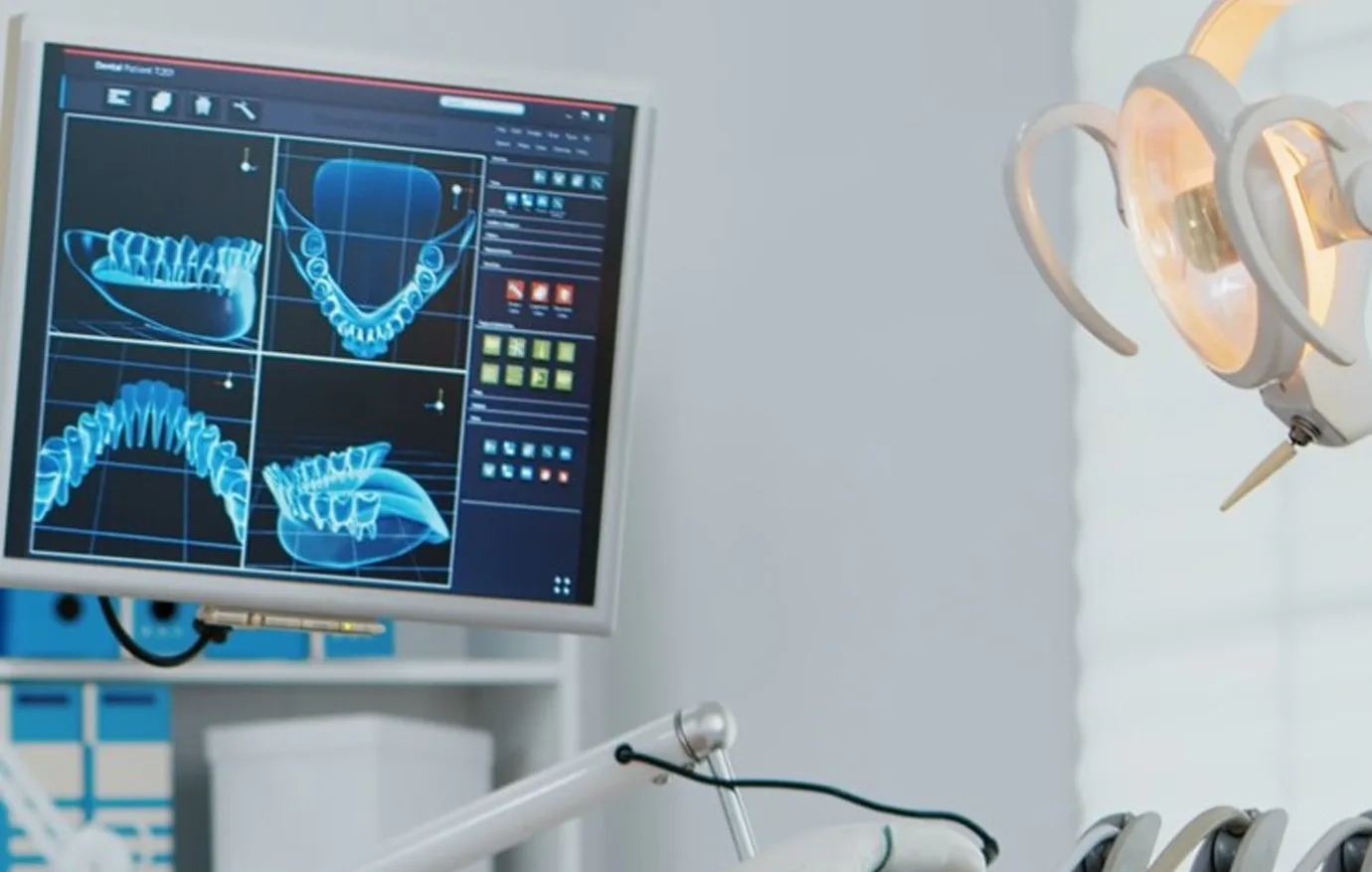
Rebuilding Teeth So They Work Again
Restorative dentistry repairs and replaces teeth that are damaged, decayed or missing. The goal is always the same: get the tooth working properly again, make it comfortable, and make it look like it belongs.
A missing tooth is not only a cosmetic matter. Neighbouring teeth drift towards the gap and the opposing tooth over-erupts into it, which changes the bite. The bone that used to support the root gradually resorbs. Chewing shifts to the other side. Restoring the space early keeps all of that from starting.
At Dental Leaf in Irumbuliyur, West Tambaram, we will tell you the realistic options for your situation — including the merits of the less expensive one — and let you decide without pressure.
Restorative Treatments We Offer
From a single filling to replacing a full arch, the right answer depends on how much tooth is left and what the bone can support.
Tooth-Coloured Fillings
Composite fillings that restore decayed or chipped teeth and bond to the remaining tooth structure rather than simply filling a hole.
Dental Crowns
A full covering for a tooth too broken down or brittle for a filling, including teeth that have had root canal treatment.
Dental Bridges
A fixed replacement for one or more missing teeth, supported by the teeth on either side of the gap.
Dental Implants
A titanium post placed in the jawbone to support a crown, bridge or denture — the closest thing to replacing the root itself.
Dentures
Removable replacements for several or all teeth, made to fit comfortably and restore chewing and appearance.
Inlays and Onlays
Custom-made restorations for teeth with damage too extensive for a filling but not enough to justify a full crown.
Why Patients Choose Dental Leaf for Restorative Work

Planned Properly First
Restorative work is assessed and planned before anything is prepared, so each stage fits the final result.
All Options on the Table
We explain implants, bridges and dentures honestly, including which would be adequate as well as which would be ideal.
The Bite Is Checked
A restoration that is slightly high causes pain and fractures. We check and adjust the bite carefully before you leave.
Shade Matched Carefully
Crowns and fillings on visible teeth are matched to your natural shade rather than approximated.
Written Estimates Before Starting
Restorative treatment is often staged. You get the full cost in writing before the first appointment.
Aftercare Explained
You will be told exactly how to care for a new crown, bridge, implant or denture, and what to watch for.
How Restorative Treatment Works
Timescales vary considerably — a filling is one visit, an implant runs over several months while the bone heals.
1. Assessment
We examine the tooth or the gap, take X-rays to check the bone and roots, and establish what is realistically possible.
2. Discussing Options
Each suitable option is explained with its advantages, drawbacks, likely lifespan and cost, so you can weigh them properly.
3. Preparing the Tooth
Decay or failed old restorations are removed and the tooth is shaped, all under local anaesthetic.
4. Impressions or Scan
An accurate record of the tooth and your bite is taken so the laboratory can make a restoration that fits precisely.
5. Temporary Restoration
Where a laboratory stage is involved, a temporary keeps the tooth protected and usable while you wait.
6. Fitting and Adjustment
The final restoration is fitted, the bite is checked and adjusted, and it is cemented or secured in place.
Caring for Restored Teeth
Crowns, bridges and implants still need daily cleaning. The margin where a crown meets the tooth, and the area beneath a bridge, are the places problems begin — a crown itself cannot decay, but the tooth underneath it certainly can.
Implants do not decay, but the gum and bone around them can become inflamed and recede if plaque is left, which is the most common reason an implant is eventually lost. Cleaning around an implant is not optional.
Give a new restoration a little care at first: avoid very hard or sticky food on that side for the first day or two, and be careful with a temporary crown, which is deliberately weakly cemented so it can be removed.
Come back if the bite feels high or uneven once the numbness wears off, if there is sensitivity that does not settle within a week or two, or if anything feels loose. These are quick to adjust early and troublesome if left.

Restorative Dentistry Questions, Answered
Not the question you had? Our full list of patient questions covers costs, timings, nervous patients and what to bring to a first visit.
Treatments Explained
Longer, more detailed guides to the treatments patients ask about most.
Often needed after a broken tooth or where a tooth has become loose.
Patients having teeth restored travel to us from Tambaram, Perungalathur, Selaiyur, Mudichur and Peerkankaranai — see all the areas we serve.
Damaged or Missing Teeth?
Book an assessment at our Irumbuliyur clinic, or call +91 9585 360 320 to talk through the options.