
Braces & Orthodontics in West Tambaram
Medically reviewed by Dr. Akshay, Orthodontist · Last reviewed · How we review our content
In pain right now?
Do not wait for an online booking to be confirmed — call us and we will try to see you today.
Straighter Teeth, and a Bite That Works
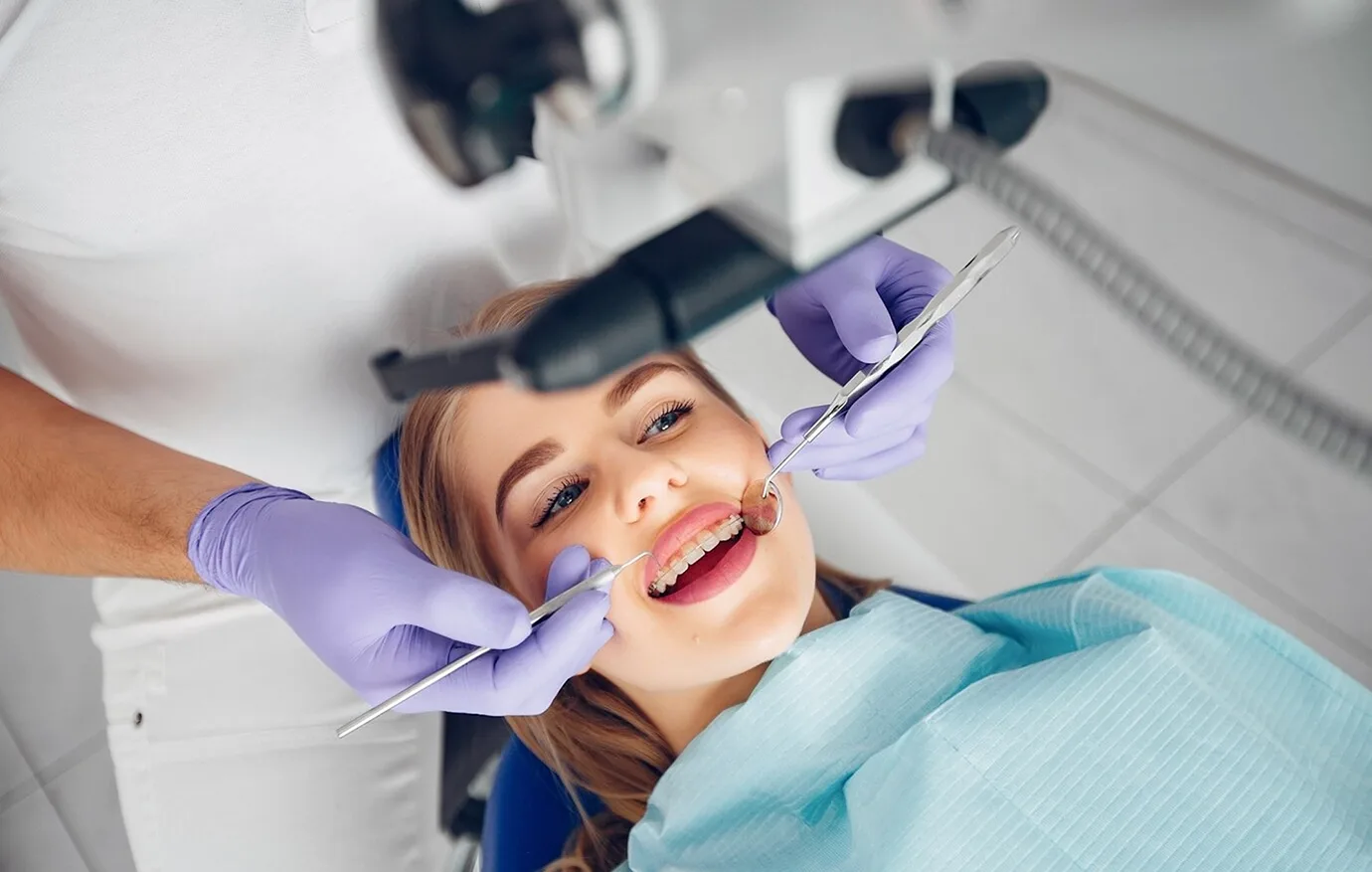
Orthodontics moves teeth into better positions using steady, gentle pressure over months. Most people come to us because of how their teeth look, and that is a perfectly good reason — but straightening usually improves function too.
Crowded teeth are harder to clean, so they collect plaque in the places a brush cannot reach and are more prone to decay and gum problems. A bite that does not meet evenly can wear specific teeth down or strain the jaw joint. Correcting alignment addresses both at once.
We treat children, teenagers and adults at our Irumbuliyur clinic. Adult orthodontics is now completely routine — teeth respond to the same forces at 40 as they do at 14, they simply take a little longer to move.
Orthodontic Treatments We Offer
The right appliance depends on what needs correcting, your age and how visible you are willing for the treatment to be.
Metal Braces
The most versatile and generally the most economical option. Fixed brackets and wires can correct almost any problem, including complex cases.
Ceramic Braces
The same fixed system using tooth-coloured brackets, so it is far less noticeable from a conversational distance.
Clear Aligners
A series of removable transparent trays, changed regularly, that move teeth gradually. Suited to mild and moderate cases.
Early Treatment for Children
Interceptive treatment that guides jaw growth and creates space while a child is still developing, often simplifying later work.
Adult Orthodontics
Treatment planned around adult teeth and gums, including relapse cases where teeth have drifted after previous braces.
Retainers
Fixed or removable retainers to hold your teeth in their new positions once active treatment finishes.
Why Patients Choose Dental Leaf for Orthodontics

Treated by an Orthodontist
Orthodontic cases here are planned and managed by our orthodontic team, not fitted in around general work.
Proper Records Before Planning
Photographs, impressions or scans and X-rays are taken first, so the plan is based on your actual anatomy.
Options Explained Honestly
If aligners will not achieve what you want, we will say so rather than sell you the option that sounds most appealing.
Realistic Timeframes
You will be given an honest estimate of how long treatment should take, and told if things change along the way.
Costs Agreed Up Front
Orthodontics runs over months. The full cost and payment schedule are agreed before we begin.
Retention Taken Seriously
Holding the result matters as much as achieving it, so retention is planned from the outset, not tacked on at the end.
What Orthodontic Treatment Involves
From first consultation to retainer, here is how treatment usually runs.
1. Consultation
We examine your teeth and bite, discuss what bothers you, and tell you whether orthodontic treatment can address it.
2. Records and Planning
Photographs, X-rays and impressions or a digital scan are taken so the tooth movements can be planned precisely.
3. Discussing the Plan
You are shown the proposed plan, the appliance options, the likely duration and the full cost before deciding.
4. Fitting the Appliance
Braces are bonded to the teeth, or your first set of aligners is issued along with instructions on wear time.
5. Regular Adjustments
You are seen every few weeks so the appliance can be adjusted and progress checked against the plan.
6. Retention
Once teeth are in position the appliance is removed and a retainer is fitted to hold them there.
Living With Braces or Aligners
Cleaning becomes more important, not less. Fixed braces trap food around the brackets, and plaque left there can leave permanent white marks on the enamel once the braces come off. Brush after meals, use an interdental brush around each bracket, and do not skip it because you are tired.
With fixed braces, avoid hard and sticky foods — ice, hard nuts, boiled sweets and chewing gum are the usual causes of a broken bracket and an unscheduled visit. Cut apples and carrots into pieces rather than biting into them.
With aligners, wear time is everything. They need to be in the mouth for the great majority of each day, taken out only to eat and to clean your teeth. Treatment planned around full wear simply will not work if the trays spend the day in a pocket.
Some tenderness for a few days after fitting or after each adjustment is normal and settles. Soft food and ordinary painkillers are usually all that is needed.
Orthodontic Questions, Answered
Not the question you had? Our full list of patient questions covers costs, timings, nervous patients and what to bring to a first visit.
Considering the removable option? See clear aligners — including where fixed braces do the job better.
Nervous about starting? See dental anxiety.
Braces and aligner patients travel to us from Tambaram, Perungalathur, Selaiyur, Mudichur and Peerkankaranai — see all the areas we serve.
Ready to Straighten Your Teeth?
Book an orthodontic consultation in Irumbuliyur, or call +91 9585 360 320 to ask a question first.